Why Use a Chaff Cutter Machine for Cattle Feed?
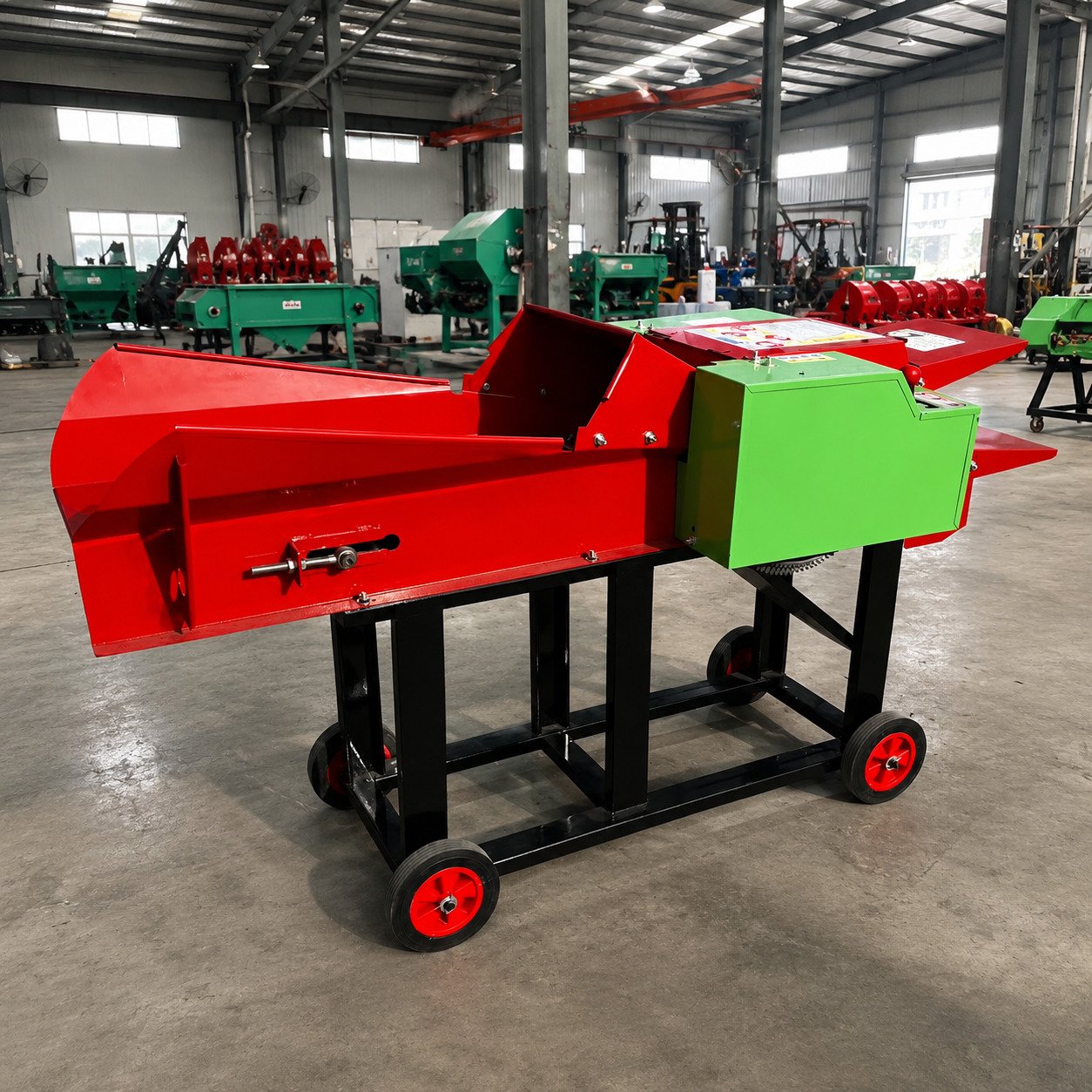
A chaff cutter machine for cattle feed cuts suitable forage into shorter pieces for feed preparation. It can help organise cutting work and prepare material for handling or mixing, provided the machine and cut length are matched to the forage and feeding programme.
Cutting does not improve the nutrient content of the original material by itself. The value of the process depends on forage quality, the required physical form of the ration and how the prepared feed is handled.
1. Prepare Long Forage for Handling
Long grass, hay and suitable crop residues can be awkward to move, measure or combine with other ingredients. Cutting can make these materials easier to handle within a planned feed preparation workflow.
The result depends on the material and machine. Provide the forage type, incoming size and moisture condition when discussing equipment suitability.
2. Support Ration Preparation
Cutting forage to an appropriate size can help prepare it for a separate mixing stage. However, a chaff cutter is not a mixer and does not guarantee uniform ingredient distribution.
Do not assume that a shorter cut is always better. Cattle require an appropriate physical structure in the ration. Choose forage particle size with advice from a qualified livestock nutritionist, taking account of the complete diet and the animals being fed.
3. Plan Cutting Work around Daily Demand
A powered cutter can reduce reliance on manual cutting where its capacity and feeding arrangement match the workload. Compare equipment against the amount of forage you need to prepare each day and the productive operating time available.
Include time for loading, collection, cleaning and maintenance. A quoted cutting capacity does not automatically represent the output of the complete feeding operation.
Fresh Grass and Dry Forage Need Separate Assessment
Fresh and dry materials can differ in moisture, toughness and bulk density. These differences can affect feeding, cutting and discharge performance.
Do not assume that one capacity figure applies equally to fresh grass, dry hay and crop stalks. Ask for specifications relevant to each material you intend to process.
If the proposed machine has several operating modes, confirm the suitable materials, required attachments and changeover procedure for each function.
Cutting Is Different from Grinding and Silage Making
A chaff cutter primarily shortens forage. Grinding reduces material to smaller particles through a different processing action, while mixing combines ingredients.
Some machines combine functions, but these must be confirmed for the selected model. Do not assume that a standard cutter also grinds grain or mixes a ration.
Cutting may form part of silage preparation, but it does not itself ferment or preserve forage. Successful silage production also depends on suitable crop condition, moisture, compaction, sealing and storage management.
How to Choose a Chaff Cutter Machine for Cattle Feed
Check Material Suitability
List the materials to be processed and describe whether they are fresh or dry. Include approximate stem thickness, incoming length and any preparation already completed.
Specify the Required Cut Length
Tell the supplier your target cut length and ask how it is controlled on the proposed model. Confirm the available adjustment options rather than assuming every machine offers the same range.
Compare Capacity under Relevant Conditions
Ask which material, moisture condition and cut setting were used to determine the quoted output. Where testing is agreed, record the input material, operating time and collected output.
Confirm the Power Supply
For electric equipment, confirm voltage, frequency, phase and available site power. For engine-driven equipment, confirm the engine specifications, fuel requirements and appropriate operating location.
Plan Feeding and Discharge
Allow space for safe material feeding and collection. If a raised discharge spout is needed, provide the receiving height and distance so that suitability can be assessed.
Safe Operation and Maintenance
Follow the instructions supplied with the selected machine. Keep guards and covers correctly fitted and keep hands, clothing and tools away from feeding openings and moving parts.
Stop the equipment, isolate its power source and wait for all moving parts to stop before clearing blockages, inspecting blades or making adjustments.
Check incoming forage for stones, metal and other foreign objects. Follow the recommended inspection schedule for blades, fasteners and drive components.
Information to Send with Your Enquiry
- Forage type and whether it is fresh or dry.
- Approximate incoming material size.
- Required cut length.
- Daily forage quantity and target hourly output.
- Available electrical supply or preferred drive arrangement.
- Feeding, collection and discharge requirements.
- Destination country and delivery location.
Frequently Asked Questions
Does chopping forage increase its nutritional value?
Cutting changes its physical form, not its original nutrient content. Feeding results depend on forage quality, ration formulation, particle size and management.
Will a chaff cutter automatically improve milk yield or weight gain?
No particular production improvement can be guaranteed from cutting alone. Assess the complete feeding programme and animal requirements.
Can the same machine cut fresh and dry materials?
This depends on the selected model and material conditions. Confirm suitability and expected output for each application.
Is the shortest possible cut best for cattle?
No. Appropriate particle size depends on the complete ration and feeding requirements. Discuss the target forage structure with a livestock nutritionist.
Can a chaff cutter replace a feed mixer?
No. Cutting and mixing are separate functions unless a specifically configured machine includes both.
Discuss Your Forage Preparation Requirements
Send GoldenGain Machinery your forage materials, required cut length, daily workload and available power supply to discuss suitable equipment.
Explore chaff cutter machine options